Weight training—also known as resistance training or strength training—is one of the most powerful tools available for improving overall health, enhancing physical performance, and supporting long-term vitality. While many people associate lifting weights with bodybuilding or competitive sports, the reality is that strength training offers benefits for men and women of all ages and fitness levels.
From building lean muscle and increasing metabolism to strengthening bones and improving mental resilience, weight training plays a foundational role in total wellness.

 Subscribe and Save – $49.99
Save $10 (Cancel anytime – Click To Learn About Our Subscription Option)
Subscribe and Save – $49.99
Save $10 (Cancel anytime – Click To Learn About Our Subscription Option)
30-Day Supply – $59.99 Add to Cart
1. Builds Lean Muscle Mass: One of the most obvious benefits of weight training is increased muscle mass. When you lift weights, you create small, controlled stress on muscle fibers. The body responds by repairing and rebuilding those fibers stronger and thicker than before—a process known as muscle hypertrophy.

Lean muscle is metabolically active tissue. The more lean muscle you have, the more calories your body burns at rest. This means strength training not only improves your physique but also supports long-term metabolic health.
For both men and women, building lean muscle enhances physical appearance, improves posture, and supports everyday functional movements like lifting, carrying, and climbing stairs.
2. Boosts Metabolism and Supports Fat Loss: Weight training significantly impacts metabolic rate. Unlike cardio alone, strength training increases resting metabolic rate by building muscle tissue that requires energy to maintain.
Additionally, intense resistance workouts create what’s known as excess post-exercise oxygen consumption (EPOC), sometimes referred to as the “afterburn effect.” After a challenging weight session, your body continues burning calories at an elevated rate as it recovers.
When combined with proper nutrition, strength training is one of the most effective strategies for reducing body fat while preserving—or even increasing—lean muscle mass.

3. Strengthens Bones and Joints: As we age, bone density naturally declines, increasing the risk of fractures and osteoporosis. Weight training stimulates bone remodeling by placing mechanical stress on bones, which signals the body to increase bone mineral density.
This is especially important for women, who face a higher risk of osteoporosis after menopause. Regular resistance training can help maintain strong bones and reduce the likelihood of injury later in life.
In addition, strengthening the muscles around joints improves joint stability, reduces pain, and lowers the risk of injury during everyday activities or sports.
4. Improves Insulin Sensitivity and Metabolic Health: Strength training enhances the body’s ability to regulate blood sugar by improving insulin sensitivity. Muscle tissue plays a major role in glucose storage, and the more muscle you have, the more efficiently your body can manage carbohydrates.
Improved insulin sensitivity supports:
- Stable energy levels
- Reduced fat storage
- Better metabolic flexibility
- Lower risk of metabolic dysfunction
For individuals focused on long-term health and performance, resistance training is a cornerstone of metabolic optimization.
5. Enhances Athletic Performance: Whether you’re a runner, golfer, cyclist, or recreational athlete, weight training improves performance. Stronger muscles generate more force, which translates into better speed, power, and endurance.
Strength training also improves neuromuscular coordination—the connection between the brain and muscles—leading to more efficient movement patterns and reduced injury risk.
Even for non-athletes, increased strength makes everyday activities easier and safer.
6. Supports Hormonal Balance: Resistance training stimulates the natural production of important hormones involved in muscle repair, energy, and recovery. These include growth hormone and testosterone in both men and women.
While hormonal responses vary depending on age, training intensity, and overall health, regular strength training can support healthy endocrine function and contribute to improved vitality.
Maintaining muscle mass also helps offset the natural decline in anabolic hormones that occurs with aging.
7. Improves Mental Health and Confidence: The benefits of weight training extend far beyond physical appearance. Numerous studies have shown that resistance training can reduce symptoms of anxiety and depression while improving mood and self-esteem.
Lifting weights builds mental resilience. Progressively increasing resistance teaches discipline, patience, and perseverance. Setting and achieving strength goals fosters confidence that often carries over into other areas of life.
Additionally, regular exercise stimulates endorphin release—natural chemicals that enhance mood and reduce stress.

8. Promotes Healthy Agings: One of the most compelling reasons to incorporate strength training is its impact on longevity and quality of life. As we age, we naturally lose muscle mass in a process called sarcopenia. This decline can lead to weakness, reduced mobility, and increased fall risk.
Weight training slows or even reverses age-related muscle loss. By maintaining strength, individuals preserve independence, mobility, and overall functionality well into later years.
Strength training is not just about looking fit—it’s about staying capable and active for decades.
9. Encourages Better Body Composition: Many people focus solely on body weight, but body composition—how much of your body is muscle versus fat—is far more important.
Weight training reshapes the body by increasing lean mass and reducing excess fat. Even if the scale does not dramatically change, improvements in body composition lead to a firmer, stronger, and more athletic appearance.
This is especially important for women who may worry about “bulking up.” In reality, most women develop toned, defined muscles rather than excessive size due to natural hormonal differences.
10. Creates Sustainable Fitness Habits: Unlike extreme diet trends or high-impact cardio programs that can be difficult to maintain, weight training offers long-term sustainability. Workouts can be tailored to individual fitness levels, goals, and schedules.
Whether using dumbbells, barbells, resistance bands, or bodyweight exercises, strength training is adaptable and scalable. Progression can continue for years, keeping workouts engaging and rewarding.
 Subscribe and Save – $99.99
Save $20 (Cancel anytime – Click To Learn About Our Subscription Option)
Subscribe and Save – $99.99
Save $20 (Cancel anytime – Click To Learn About Our Subscription Option)
30-Day Supply – $119.99 Add to Cart
Final Thoughts: Weight training is one of the most comprehensive forms of exercise available. It builds muscle, strengthens bones, boosts metabolism, enhances mental health, and supports long-term vitality. For both men and women, resistance training is not just about aesthetics—it is about optimizing health, preserving mobility, and enhancing quality of life.
Incorporating weight training two to four times per week, combined with balanced nutrition and adequate recovery, can create transformative improvements in physical and mental well-being.
Whether you are just beginning your fitness journey or looking to elevate your performance, strength training remains one of the most effective and empowering investments you can make in your health.
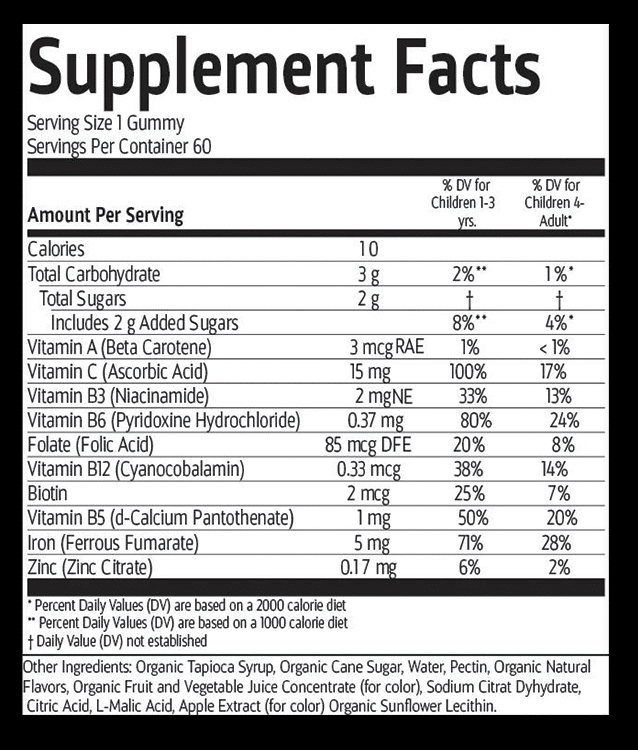
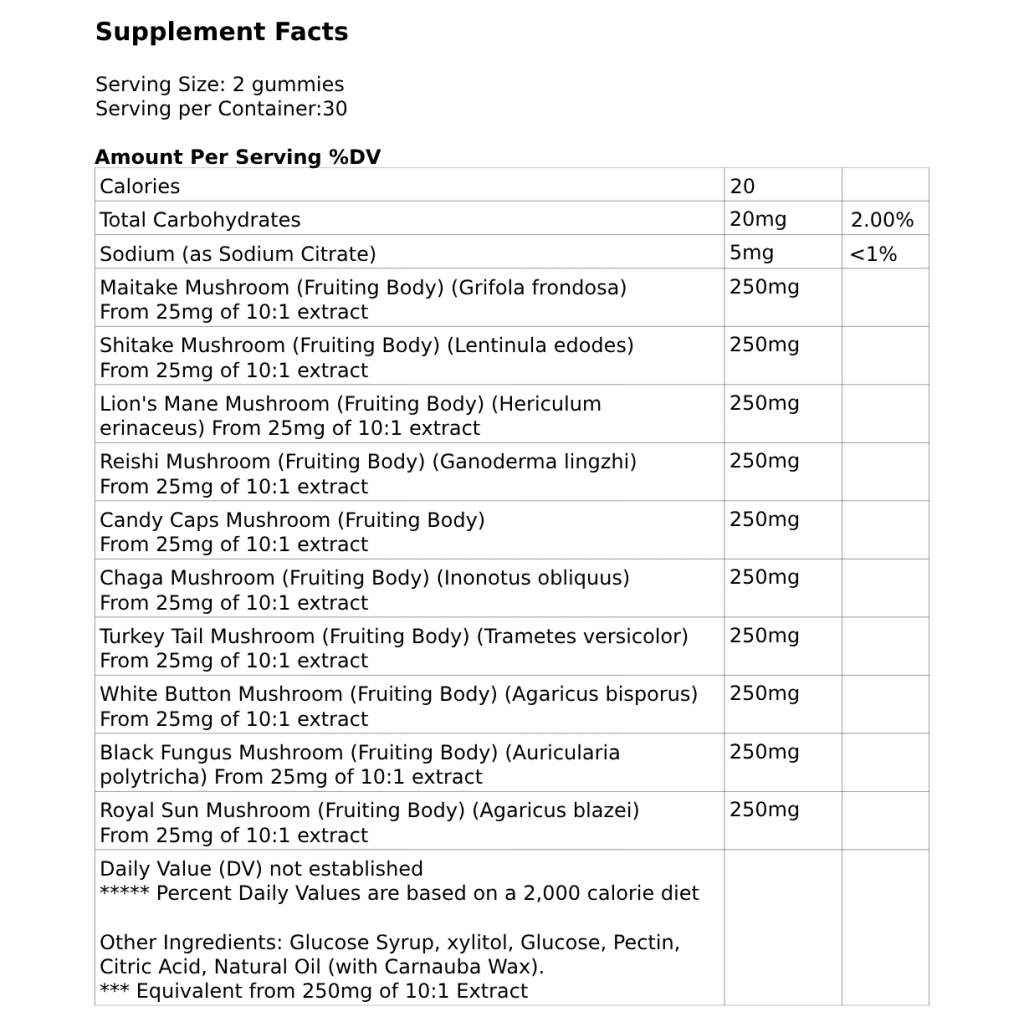
Here are some transdermal patches and gummies that can help maximize your weight training program.