Glucagon-like peptide-1, better known as GLP-1, has become one of the most talked-about metabolic hormones in recent years. Originally studied for its role in blood sugar regulation, GLP-1 is now widely recognized for its influence on appetite control, insulin response, and overall metabolic balance. While prescription GLP-1 receptor agonist medications have gained attention, interest is growing around nutritional strategies that help support the body’s own natural GLP-1 production — including innovative delivery systems such as transdermal patches.

 Subscribe and Save – $79.99
Save $20 (Cancel anytime – Click To Learn About Our Subscription Option)
Subscribe and Save – $79.99
Save $20 (Cancel anytime – Click To Learn About Our Subscription Option)
30-Day Supply – $99.99 Add to Cart
What Does GLP-1 Stand For?
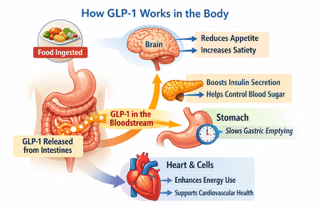
GLP-1 stands for Glucagon-Like Peptide-1. It is a hormone naturally produced in the body, specifically in the intestines. When we eat, specialized cells called L-cells in the small intestine release GLP-1 into the bloodstream. This hormone acts as a signaling messenger between the digestive system, pancreas, and brain.
GLP-1 plays several important roles:
- Supports healthy insulin secretion in response to meals
- Helps maintain already-normal blood sugar levels
- Promotes feelings of fullness (satiety)
- Slows gastric emptying
- Communicates with appetite centers in the brain
Because of these combined effects, GLP-1 has become a central focus in metabolic and weight management research.
How GLP-1 Works in the Body

After food enters the digestive tract, GLP-1 is released and travels through the bloodstream. It binds to GLP-1 receptors located in multiple tissues, including:
- The pancreas
- The brain
- The stomach
- The cardiovascular system
In the pancreas, GLP-1 supports insulin release when glucose levels rise after a meal. This helps the body utilize glucose more efficiently. In the brain, GLP-1 influences appetite regulation by sending signals that enhance satiety. Many people describe this effect as feeling satisfied sooner and having fewer cravings between meals.
GLP-1 also slows gastric emptying — meaning food leaves the stomach more gradually. This contributes to a longer-lasting feeling of fullness and steadier post-meal energy levels.
Importantly, GLP-1 is naturally short-lived in the bloodstream. It is rapidly broken down by an enzyme called DPP-4. Because of this, the body must continually produce GLP-1 in response to food intake.
Supporting Natural GLP-1 Production
While pharmaceutical GLP-1 receptor agonists mimic the effects of the hormone, many individuals are interested in supporting their body’s own GLP-1 production through nutritional and lifestyle strategies.
Certain nutrients and botanical compounds have been studied for their ability to:
- Support healthy incretin hormone activity
- Promote satiety signaling
- Support glucose metabolism
- Help maintain normal insulin response
These compounds may work by stimulating intestinal L-cells, supporting metabolic pathways involved in GLP-1 signaling, or helping preserve GLP-1 activity.
For those looking for a more cost-conscious approach compared to prescription medications, supporting endogenous (natural) GLP-1 production through dietary supplementation can be an appealing strategy.

Why Delivery Method Matters
One of the biggest challenges with nutritional supplementation is delivery efficiency. Traditional capsules and tablets must pass through the digestive system, where enzymes and stomach acid can degrade active ingredients. In addition, some compounds have limited absorption when taken orally.
This is where transdermal patch technology becomes especially interesting.
How a Transdermal Patch May Help
A transdermal patch is designed to deliver active ingredients through the skin over a sustained period of time. Instead of being swallowed, nutrients are gradually absorbed across the skin barrier and into systemic circulation.
Potential advantages of transdermal delivery include:
1. Steady Release: A patch can provide continuous delivery over several hours, helping maintain consistent nutrient levels rather than the peaks and valleys often seen with oral supplements.
2. Avoidance of Digestive Breakdown: Because ingredients bypass the digestive tract, they are not exposed to stomach acid or first-pass liver metabolism in the same way oral supplements are.
3. Convenience: Once applied, a patch requires no additional action for several hours, making compliance easier for many individuals.
4. Potential Cost Efficiency: Compared to prescription GLP-1 receptor agonists — which can be costly and require ongoing medical supervision — a nutritionally based GLP-1–support patch may represent a more affordable option for those seeking general metabolic support.
It’s important to clarify that nutritional supplements are not drugs and are not intended to diagnose, treat, cure, or prevent disease. However, when formulated properly, certain ingredients delivered trans dermally may help support the body’s natural GLP-1 production and healthy appetite signaling.
GLP-1, Appetite, and Satiety

One of the most compelling aspects of GLP-1 is its effect on appetite regulation. GLP-1 interacts with areas of the brain involved in hunger perception. When levels are supported within a healthy range, individuals may experience:
- Improved portion control
- Reduced desire to snack between meals
- Greater satisfaction after eating
- Support for calorie management efforts
These effects make GLP-1 support particularly attractive for individuals focused on weight management, metabolic wellness, or healthy aging.
A Broader Metabolic Perspective
GLP-1 does not operate in isolation. It works in coordination with other hormones, including insulin, glucagon, ghrelin, and leptin. Supporting GLP-1 production may therefore contribute to overall metabolic harmony.
When combined with:
- Balanced nutrition
- Regular exercise
- Adequate sleep
- Stress management
Supporting natural GLP-1 activity may become part of a comprehensive wellness strategy.
Subscribe and Save – $79.99
Save $20 (Cancel anytime – Click To Learn About Our Subscription Option)
30-Day Supply – $99.99 Add to Cart
The Bottom Line
GLP-1 (Glucagon-Like Peptide-1) is a naturally occurring hormone that plays a central role in appetite regulation, insulin response, and metabolic balance. While pharmaceutical GLP-1 agonists have received widespread attention, there is increasing interest in nutritionally supporting the body’s own GLP-1 production.
A transdermal patch designed to deliver targeted ingredients that support healthy GLP-1 activity may offer several potential advantages — including sustained release, digestive bypass, convenience, and lower overall cost compared to prescription alternatives.
For individuals seeking metabolic support without injections or complex dosing schedules, transdermal GLP-1–support technology represents an innovative and practical approach worth exploring.
As always, individuals should consult with a qualified healthcare professional before beginning any new supplement program, especially if they have underlying medical conditions or are taking medications.