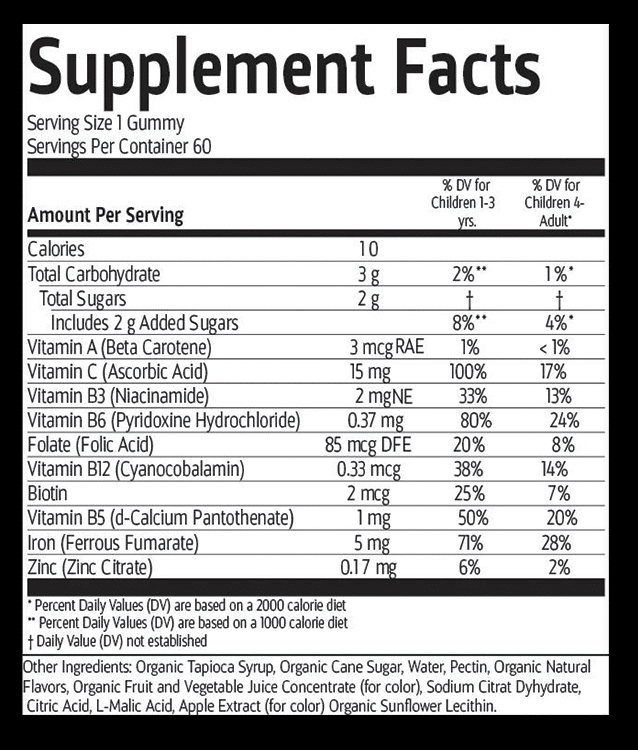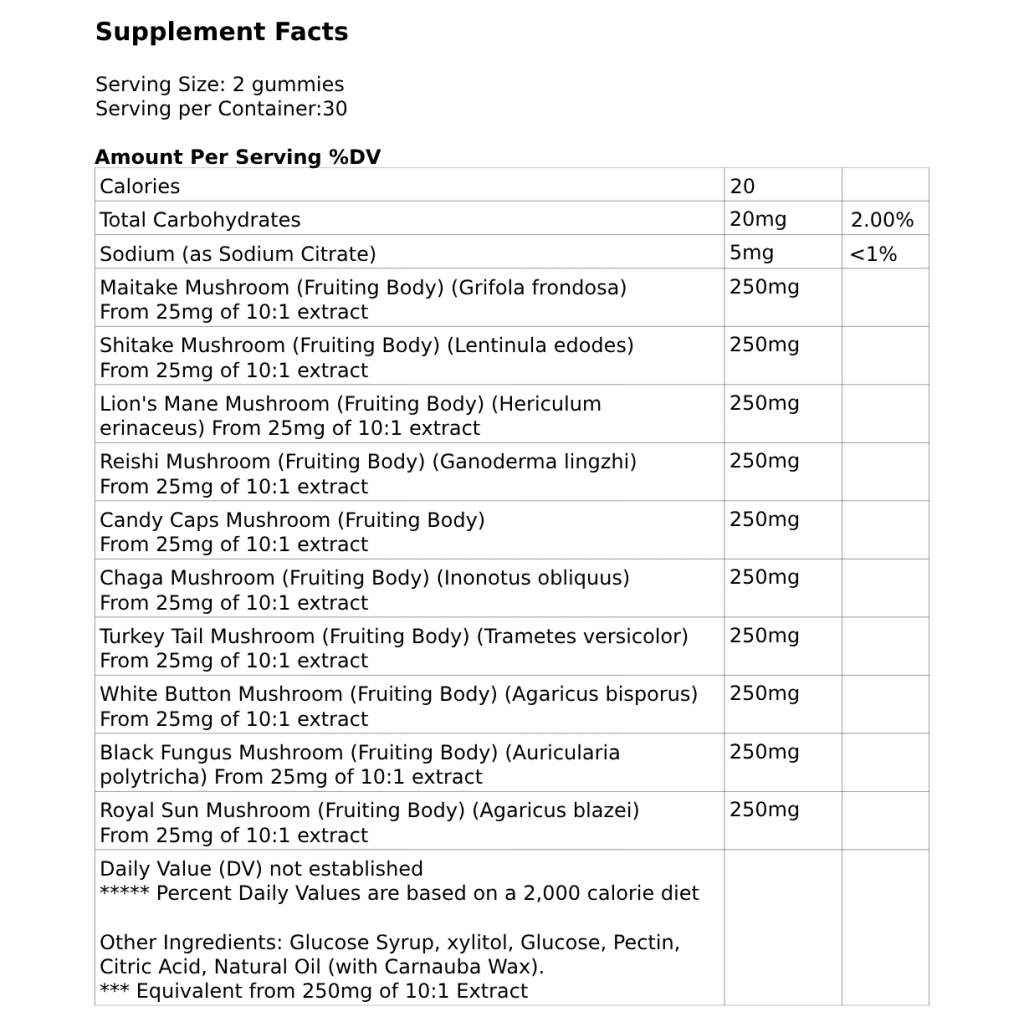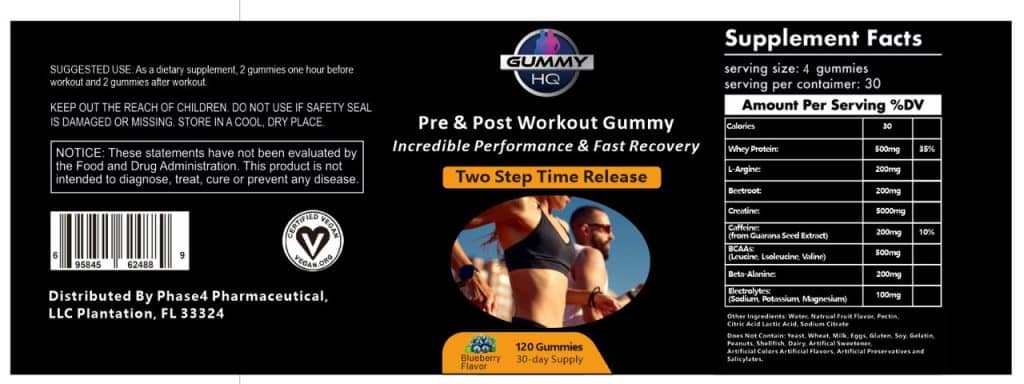
In the world of dietary supplements, consumers are continuously searching for the most effective methods to enhance their health and well-being. Two prominent delivery methods are traditional oral supplements, which are often degraded by stomach acids, and transdermal patches that deliver nutrients directly into the bloodstream. This blog will explore the differences between these two methods, examining their effectiveness, benefits, and potential drawbacks.
Understanding Dietary Supplements
Dietary supplements are products intended to supplement the diet. They can include vitamins, minerals, herbs, amino acids, and enzymes. The goal is to provide essential nutrients that may be missing from one’s diet, enhance health, and promote overall well-being. However, the way these supplements are delivered can significantly impact their absorption and efficacy.
The Oral Route: Challenges of Stomach Acid
When dietary supplements are taken orally, they must first pass through the digestive system. This process involves the following challenges:

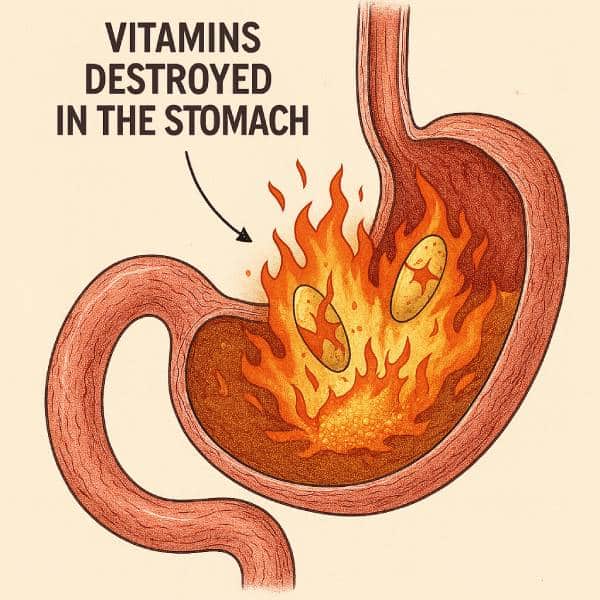
- Degradation by Stomach Acids: The stomach produces hydrochloric acid to break down food, which can also degrade many dietary supplements. Some vitamins, particularly water-soluble ones like vitamin C, can be partially destroyed in this acidic environment, reducing their effectiveness before they even reach the intestines.
- Absorption Issues: Even if the supplement survives the stomach’s acidic environment, it must then be absorbed through the intestinal wall into the bloodstream. Factors such as the presence of food, gut health, and individual metabolic differences can affect this absorption, leading to inconsistent nutrient levels in the body.
- First-Pass Metabolism: After absorption, dietary supplements are processed by the liver through a phenomenon known as first-pass metabolism, which can further reduce their bioavailability. This means that only a fraction of the ingested supplement may actually reach systemic circulation and provide health benefits.
The Transdermal Route: Direct Delivery to the Bloodstream
In contrast, transdermal patches offer a unique alternative for delivering dietary supplements. These patches are designed to adhere to the skin and release a formula in adhesive patches that allows nutrients to be absorbed directly into the bloodstream. Here are some key benefits of this delivery method:

- Avoiding Stomach Acids: One of the most significant advantages of transdermal patches is that they bypass the digestive system entirely. This means that the nutrients are not exposed to stomach acids, preserving their potency and ensuring that more of the active ingredients reach the bloodstream.
- Consistent Delivery: Transdermal patches provide a steady release of nutrients over time. This can lead to more consistent blood levels of the nutrients, which is particularly beneficial for maintaining optimal health. For example, patches can deliver vitamins or hormones in a controlled manner, providing a more stable and reliable source of supplementation.
- Ease of Use: Patches are convenient and can be applied easily to various parts of the body. They are often preferred by individuals who have difficulty swallowing pills or who experience gastrointestinal discomfort with oral supplements. Additionally, patches can be worn discreetly, making them an appealing option for many consumers.
Potential Drawbacks of Each Method
While both delivery methods have their advantages, there are potential drawbacks to consider:
Oral Supplements

- Variable Absorption: As mentioned earlier, the effectiveness of oral supplements can vary significantly based on several factors, including food intake and individual digestive health.
- Gastrointestinal Issues: Some individuals may experience gastrointestinal side effects, such as nausea or upset stomach, when taking oral supplements.
Transdermal Patches
- Limited Formulation: Not all supplements can be effectively delivered through transdermal patches. The molecular size and solubility of the active ingredients play a crucial role in determining whether they can penetrate the skin barrier. As a result, transdermal patches may be limited to specific vitamins or hormones.
- Skin Sensitivity: Some individuals may experience skin irritation or allergic reactions to the adhesive used in patches. It’s essential to select high-quality products and monitor for any adverse reactions.
Conclusion: Choosing the Right Delivery Method
The choice between oral dietary supplements and transdermal patches ultimately depends on individual needs, preferences, and health goals.
- Oral Supplements: These remain a popular choice for many due to their wide availability and variety. However, consumers must be aware of the potential for degradation by stomach acids and variable absorption.
- Transdermal Patches: For those seeking a more consistent and potentially effective method of supplementation, transdermal patches may be worth considering. They provide a convenient way to deliver nutrients directly into the bloodstream, bypassing the digestive system.
When selecting dietary supplements, it’s essential to consult with a healthcare professional to determine the most suitable method and formulation for your specific needs. Whether you opt for traditional oral supplements or explore the innovative world of transdermal patches, understanding the differences can help you make informed decisions that support your health journey.