The window between your last rep and your next meal matters more than you think.
What Happens to Your Muscles During Exercise?
Every time you lift weights, run, cycle, or perform any resistance-based activity, you are creating microscopic tears in your muscle fibers. This is not a bad thing — it is, in fact, the entire point. Your body responds to this controlled damage by repairing those fibers and making them thicker and stronger than before. This process is called Muscle Protein Synthesis (MPS).
The catch? Your body needs the right raw materials to carry out that repair work. Without adequate protein, your muscles simply cannot rebuild efficiently — and all that effort in the gym goes only partially rewarded.
The Post-Workout Anabolic Window

You may have heard the term “anabolic window” — the period immediately after exercise when your muscles are primed to absorb nutrients. Research suggests this window is most active within 30 to 60 minutes post-workout, though newer studies indicate it can extend up to two hours for most people.
During this period, your muscles are like a sponge. Blood flow is elevated, insulin sensitivity is high, and the biological machinery for repair is fully switched on. Delivering protein during this window gives your body exactly what it needs, exactly when it needs it.
How Much Protein Do You Actually Need?
The general recommendation for post-workout protein intake is 20 to 40 grams, depending on your body weight, workout intensity, and fitness goals. Research from the Journal of the International Society of Sports Nutrition suggests that 0.25 to 0.40 grams of protein per kilogram of body weight is the ideal post-exercise dose to maximally stimulate muscle protein synthesis.
For a 180-pound (82 kg) person, that translates to roughly 20-33 grams — about the amount found in a chicken breast, a cup of Greek yogurt, or a quality protein shake.
Best Post-Workout Protein Sources
Not all proteins are created equal. Complete proteins — those containing all nine essential amino acids — are the gold standard for muscle recovery. Top sources include:

Eggs — highly bioavailable and rich in leucine, the key trigger for MPS
Chicken or turkey breast — lean, high-protein, and easily digestible
Salmon or tuna — protein plus anti-inflammatory omega-3s
Greek yogurt or cottage cheese — fast and slow-digesting proteins combined
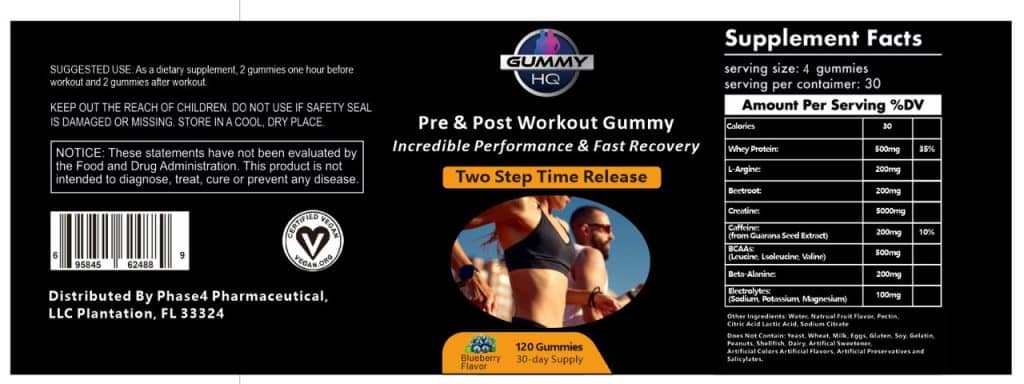
Whey protein shakes — fast-absorbing, convenient, and well-researched
Plant-based options — pea protein, soy, or a blend for non-meat eaters
Pairing protein with fast-digesting carbohydrates — like a banana, rice cakes, or oats — can further accelerate recovery by spiking insulin and driving nutrients into muscle cells faster.
What Happens If You Skip Post-Workout Protein?
Skipping protein after a workout doesn’t erase your progress, but it does slow it down. Your body may turn to breaking down existing muscle tissue for amino acids — a process called catabolism — which is the opposite of what you’re working toward. Over time, consistently neglecting post-workout nutrition can lead to slower gains, prolonged soreness, and increased risk of injury.
The Bottom Line
Post-workout protein intake is not just a fitness trend — it is a scientifically backed strategy for maximizing everything you put into your training. Whether your goal is building muscle, losing fat, improving athletic performance, or simply recovering faster, feeding your body the right protein at the right time is one of the highest-return habits you can build.
So next time you rack the weights or step off the treadmill, don’t just head for the shower. Grab that protein first — your muscles will thank you.
Train hard. Recover smart. Repeat.