Inflammation is one of the body’s natural defense mechanisms. When you exercise, experience injury, or fight infection, inflammation helps initiate the healing process. However, chronic or persistent inflammation can become a major contributor to many health and fitness challenges affecting muscles, joints, and internal metabolic systems.

 Subscribe and Save – $49.99
Save $10 (Cancel anytime – Click To Learn About Our Subscription Option)
Subscribe and Save – $49.99
Save $10 (Cancel anytime – Click To Learn About Our Subscription Option)
30-Day Supply – $59.99 Add to Cart
Today, many health researchers believe that low-grade systemic inflammation plays a role in problems such as joint discomfort, muscle soreness, fatigue, slower workout recovery, and metabolic imbalance. For athletes, active individuals, and those simply trying to maintain mobility as they age, managing inflammation is an important part of maintaining long-term health and performance.
Understanding how inflammation works—and how to support the body’s natural inflammatory balance—can help people stay active, recover faster, and maintain a healthier lifestyle.
How Inflammation Affects Muscles and Joints
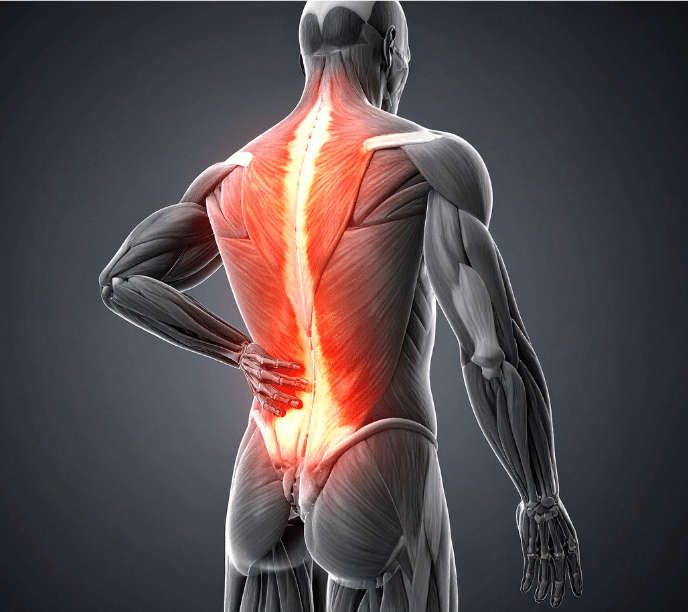
For individuals who exercise regularly, inflammation is often associated with muscle soreness and joint stiffness. After intense workouts, the body produces inflammatory signals as part of the muscle repair process. While short-term inflammation is normal, ongoing inflammation may lead to:

- Persistent muscle soreness
- Reduced workout performance
- Joint stiffness and discomfort
- Slower recovery between training sessions
- Limited mobility or flexibility
Over time, repeated stress on muscles and joints can create ongoing inflammatory responses that make it harder to maintain consistent training or an active lifestyle.
For many people, especially those over age 40, managing inflammation becomes an important factor in maintaining mobility and physical activity.
Internal Inflammation and Metabolic Health
Inflammation doesn’t only affect muscles and joints. It can also influence internal systems involved in metabolism, circulation, and energy production.
Chronic inflammation may interfere with:
- Healthy metabolic signaling
- Cellular energy production
- Recovery from exercise
- Hormonal balance related to appetite and energy
- Overall physical resilience
Because of these effects, many health experts now view inflammation as a key factor in overall wellness—not just injury recovery.
Supporting the body’s ability to regulate inflammatory responses may help promote better physical performance, improved recovery, and healthier aging.
Lifestyle Factors That Contribute to Inflammation
Several modern lifestyle factors can contribute to chronic inflammation, including:
Poor diet – diets high in refined sugars and processed foods
Lack of exercise – reduced circulation and muscle activation
Chronic stress – elevated stress hormones that influence inflammatory signaling
Poor sleep – which affects recovery and immune balance
Overtraining – insufficient recovery between workouts
Because inflammation has multiple causes, many individuals adopt a holistic approach that includes diet, exercise, recovery, and targeted nutritional support.
Supporting Healthy Inflammation Balance
Maintaining a healthy inflammatory response involves several lifestyle strategies:
Regular Physical Activity
Moderate exercise helps regulate inflammatory markers and supports circulation and muscle repair.
Anti-Inflammatory Nutrition
Recovery and Sleep
Sleep allows the body to repair tissues and regulate immune signaling.
Targeted Supplement Support
Certain nutrients and botanical compounds have been studied for their ability to support the body’s normal inflammatory response.
For individuals seeking convenient support, delivery systems can play an important role in how nutrients are absorbed and utilized.
- Steady ingredient delivery over time
- Convenient, once-daily use
- Avoidance of digestive breakdown
- Consistent nutrient availability throughout the day
Subscribe and Save – $49.99
Save $10 (Cancel anytime – Click To Learn About Our Subscription Option)
30-Day Supply – $59.99 Add to Cart
Supporting Long-Term Health and Mobility
Managing inflammation is an important part of maintaining an active and healthy lifestyle. While inflammation is a natural part of the body’s healing process, supporting a balanced inflammatory response can help individuals:

- Recover faster from workouts
- Maintain joint flexibility
- Support muscle health
- Promote overall metabolic wellness
- Stay active as they age
Combining exercise, healthy nutrition, proper recovery, innovative supplement delivery systems can provide a comprehensive approach to long-term wellness.
Final Thoughts
Inflammation plays a complex role in the body. While it is necessary for healing and recovery, chronic inflammation may contribute to many common muscle, joint, and metabolic challenges.
By supporting the body’s natural inflammatory balance through healthy lifestyle habits and targeted nutritional support, individuals may improve recovery, maintain mobility, and enhance overall well-being.