(On Mobile, Tap To Scroll)
From Energy Drinks to Extending Life? Supplement Slows Aging in Mice and Monkeys
New York Times, June 8, 2023
Taurine helped stave off death in laboratory animals, but researchers cautioned that the supplement is not a magic elixir.
Vijay Yadav of the Columbia University Irving Medical Center, right, and Kishore Gollapalli, a postdoctoral researcher, viewed stem cells in mouse tissues after taurine supplementation.Columbia University Irving Medical Center
A dietary supplement taken by fitness buffs could hold the key to a longer and healthier life, suggests a new study of mice, monkeys and worms. Researchers found that a high daily dose of taurine, an amino acid commonly added to energy drinks and naturally found in various foods, helped to delay death and mitigate against the biological ravages of aging.
Strength, memory and metabolism improved in the lab animals, according to the new study, published on Thursday, June 8th in Science. Inflammation and DNA damage were kept at bay. And middle-aged mice that regularly took taurine supplements lived significantly longer than those that did not.
“There’s something here, and if it works in humans it’s going to be a terrific thing,” said Dr. Nir Barzilai, the director of the Institute for Aging Research at the Albert Einstein College of Medicine, who was not involved in the study.
But Dr. Barzilai and other longevity researchers cautioned against viewing taurine as a magic elixir for life extension. They said people should consume the supplement with prudence, particularly when considering high dosage levels similar to those administered to the mice and monkeys.
Taurine — a nutrient produced by the body and obtained from animal-based foods like shellfish and turkey — has a long track record of safety, they said. But when ingested in large amounts it could cause digestive problems, kidney strain and potentially harmful interactions with medications.
Its effectiveness in promoting healthy aging in people is yet to be established — and other once-hyped anti-aging drugs that showed initial promise in mice and monkeys have not always panned out in human testing.
Additional Supplements
Collagen. is one of the most abundant protiens in the body and helps form our skin, bones, muscles, tendons and ligaments. As we age, we naturally start reducing its production. Some studies show that taking collagen supplements can reduce signs of aging, increase bone density and improve joint, back and knee pain. But many of these studies are small and funded by the companies behind such products, increasing the opportunity for bias. Certain products also have flaws that reduce the likelihood of their efficacy: Topical creams, for example, are unlikely to make it into the deeper level of the skin where collagen is produced.
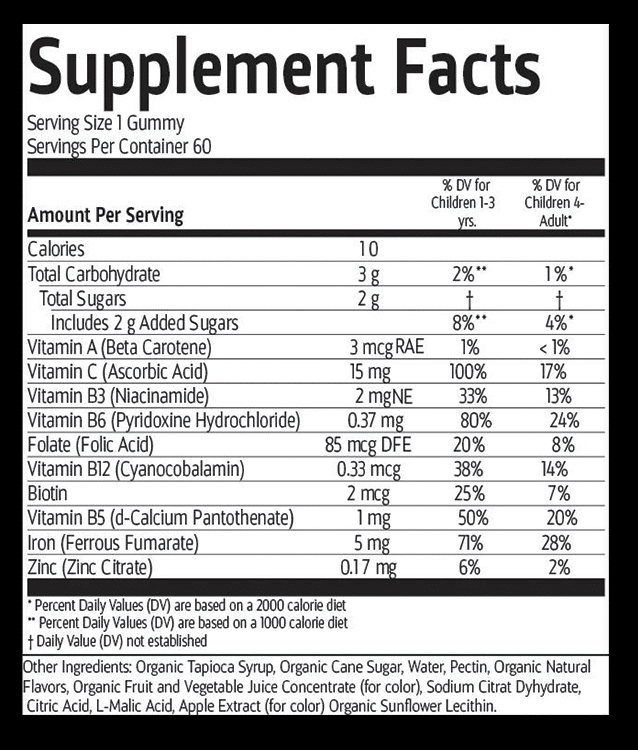
Vitamin B6. This essential nutrient is involved in a number of chemical reactions that are important for proper functioning of the immune and nervious systems. As with the other essential vitamins, the body cannot produce B6 on its own, so you can only get it from foods (such as tuna, salmon, chickpeas, poultry, dark leafy greens, bananas, oranges, cantaloupe and nuts) or supplements. Most healthy adults get more than enough vitamin B6 from their diets alone, so B6 supplements are generally not needed.
Vitamin D. Our bodies need this vitamin for the gut to absorb calcium, which bones need to grow and stay healthy. People, including those with conditions like celiac and those who are deprived of sunshine may benefit from Vitamin D supplementation.
One small clinical trial in Brazil found that four months of low-dose taurine supplementation had positive effects in older women with no toxicity concerns. But larger and longer studies are needed to gauge the effectiveness of other doses of taurine, researchers said.
Human studies on taurine supplementation have generally tested low doses, typically around 1.5 grams per day. The mice and monkeys in the new study were given a dose equivalent to about three to six grams a day for humans — a level is deemed safe by European regulators, but still on the higher end of the spectrum.
“The bottom line is that clinical trials need to be done,” said Vijay Yadav, a longevity researcher at Columbia University Irving Medical Center, who led the study.
Taurine got its name in the 1820s from the Latin word “taurus,” meaning bull, after German scientists first isolated the amino acid from the bile of an ox.
Dr. Yadav didn’t know anything about taurine, however, until around a decade ago, when he found that the supplement helped promote bone development in young mice born to vitamin-deficient mothers.
Studies on humans had already linked low taurine levels to poor heart health, cognitive performance and muscle function. Some research points to taurine underpinning the extraordinary longevity of people living on the Japanese island.
But whether taurine deficiency was a driver of aging, or simply a byproduct of the aging process, remained unclear.
Dr. Yadav, together with colleagues at the National Institute of Immunology in New Delhi, first measured taurine levels in people’s blood and found a steady decline with age. In 60-year-olds, taurine levels were about one-third of those in small children.
His team then gave high-dose taurine supplements to middle-aged mice and rhesus monkeys and compared their health outcomes to animals that did not get the amino acid boost. Six months of treatment were enough to see improvements in bone density, sugar metabolism and immune function in the monkeys, while the mice showed these benefits and more.
The mice gained less weight, had stronger muscles, were less anxious and showcased multiple improvements on a cellular level, including a reduction in the number of so-called zombie cells or old cells that stop dividing but continue to wreak havoc on neighboring tissues. Taurine also increased the average life span of the mice by 12 percent for females and 10 percent for males. The supplement had a similar impact on worm longevity.
The researchers also found supporting evidence for the anti-aging potential of taurine in people by analyzing two data sets. One, involving nearly 12,000 middle-aged individuals living in eastern England, showed a connection between low taurine levels and diseases such as obesity, diabetes and hypertension. The other, involving athletes from Germany, found that high-intensity exercise could naturally enhance taurine levels — which could account for some of the anti-aging benefits of physical activity.
What taurine does inside the body isn’t yet clear. Experiments in mice and worms point to a role for taurine in maintaining the health of mitochondria, energy-producing factories inside each cell. But more work is needed, noted Christy Carter, a health scientist administrator at the National Institute on Aging. “We are not sure how it’s working,” she said.
Biohackers and longevity seekers aren’t likely to wait for those scientific insights before adding taurine to their supplement stacks.
“This paper is very thorough and convincing,” said Nick Engerer, the founder of the Longevity Blog, who is based in Byron Bay, Australia. “This makes taurine a lead contender for something you might try at home for your own longevity.”
But most clinicians and longevity scientists urged against guzzling energy drinks or adding taurine powder to protein shakes until more well-controlled human data are available. “I’m constantly telling people: Hold fire until we do the clinical trials,” said Dr. James Kirkland, a geriatrician at the Mayo Clinic, who is leading anti-aging studies with other compounds.
Dr. Sinclair said he had dabbled with taurine in the past. But based on the new paper, he said he would likely add high doses of taurine to his regimen — with regular blood testing for possible side effects. “My caution and heartfelt concern, really, is that people will just take it and not monitor their bodies,” he said.


 Subscribe and Save – $99.99
Save $20 (Cancel anytime – Click To Learn About Our Subscription Option)
Subscribe and Save – $99.99
Save $20 (Cancel anytime – Click To Learn About Our Subscription Option)