Human Growth Hormone (HGH) plays a vital role in metabolism, body composition, bone density, and overall well-being. Yet with age or certain medical factors, many experience a growth hormone deficiency. Below, we explore the signs of HGH decline, what it means, and how to restore HGH levels naturally and safely.

 Subscribe and Save – $99.99
Save $20 (Cancel anytime – Click To Learn About Our Subscription Option)
Subscribe and Save – $99.99
Save $20 (Cancel anytime – Click To Learn About Our Subscription Option)
30-Day Supply – $119.99 Add to Cart
Recognizing the Signs of HGH Decline
1. Physical Changes

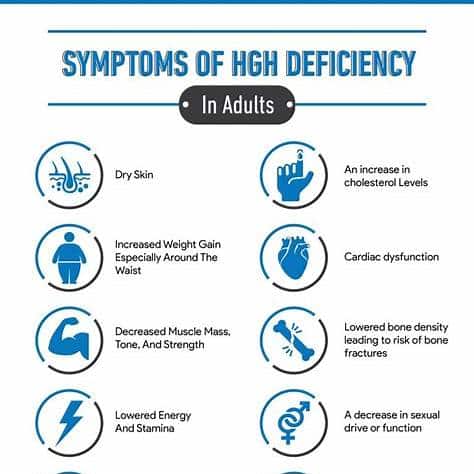
- Increased body fat, particularly around the waist, is a common low HGH symptom.
- Noticeable decrease in muscle mass, strength, and tone—activities that once felt easy now feel difficult.
- Symptoms like dry skin, thin hair, and a general loss of youthful glow.
2. Fatigue and Low Energy
- Persistent low energy and stamina, even when lifestyle hasn’t significantly changed.
- Everyday tasks and workouts become more exhausting than usual.
3. Metabolic & Cardiovascular Signals

- Weight gain, elevated cholesterol and triglyceride levels, and often cardiac dysfunction develop over time.
- Lowered bone density, increasing the risk of fractures and osteoporosis.
- Decline in sexual drive or function also frequently occurs.
4. Emotional & Cognitive Effects
- Many report mood swings, anxiety, depression, social withdrawal, and reduced cognitive clarity—these are subtle, yet significant.
Why It Matters: Understanding Growth Hormone Deficiency
A growth hormone deficiency isn’t just about low energy or unwanted weight—it’s a hormonal imbalance with wide-reaching effects. Whether congenital (from birth) or acquired (due to injury, tumors, radiation therapy, etc.), this hormone shortage compromises metabolism, bone strength, cardiovascular health, and even mental well-being.
How to Restore HGH Levels: Natural & Medical Approaches
Natural Lifestyle-Based Strategies

- Improve Sleep Quality
HGH surges during deep sleep phases—aim for 7–9 hours of restful, uninterrupted sleep each night. - Engage in Regular Exercise
High-intensity interval training (HIIT) and resistance training stimulate natural HGH release. - Optimize Nutrition
- Prioritize lean proteins, healthy fats, and fiber-rich veggies.
- Minimize sugar and highly processed carbs.
- Consider small, intermittent fasting windows—under professional supervision—to enhance HGH.
- Manage Stress
Chronic stress raises cortisol, which can suppress HGH. Try meditation, yoga, or even simple breathing exercises to keep stress in check.
Medical and Therapeutic Interventions
For individuals with significantly low HGH or confirmed growth hormone deficiency, medical treatments may include:
- GH stimulation tests (e.g. insulin or arginine challenges) to diagnose HGH deficiency.
- Hormone replacement therapy, usually through daily or weekly injections, tailored to the individual’s level and response.
- Addressing underlying causes, such as removing pituitary tumors or managing radiation effects.
Therapy should always be guided and monitored by an experienced endocrinologist—especially since HGH treatment may involve risks like insulin resistance or joint discomfort in rare cases.
 Subscribe and Save – $49.99
Save $10 (Cancel anytime – Click To Learn About Our Subscription Option)
Subscribe and Save – $49.99
Save $10 (Cancel anytime – Click To Learn About Our Subscription Option)
30-Day Supply – $59.99 Add to Cart
Final Thoughts
If you’re seeing low HGH symptoms, increased body fat, reduced muscle mass, or experiencing emotional fogginess, these signs of HGH decline may warrant professional evaluation. Understanding whether you suffer from growth hormone deficiency is the first step. From there, you can explore ways to restore HGH levels, whether through lifestyle adjustments or targeted medical care—ultimately helping you regain energy, vitality, and a stronger sense of well-being.