1. What Is DHEA?
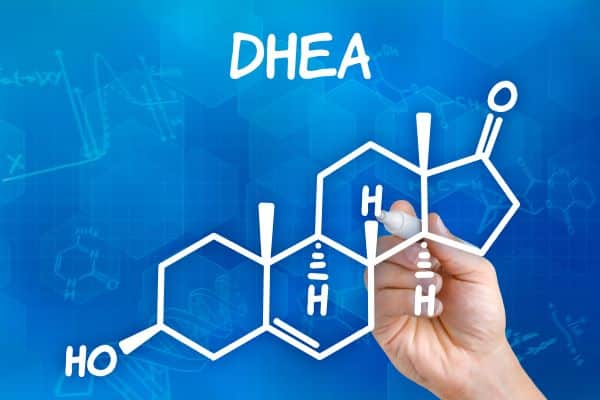
DHEA, short for dehydroepiandrosterone, is a hormone produced mainly by the adrenal glands. It is often called a “mother hormone” because the body converts it into other hormones, including testosterone and estrogen. DHEA levels peak in our mid-twenties and then decline steadily, falling by as much as 80 percent by age 70. That decline has made DHEA a popular supplement, marketed as a way to slow aging, boost energy, build muscle, and improve mood and libido. But is it truly important, or is it mostly hype?
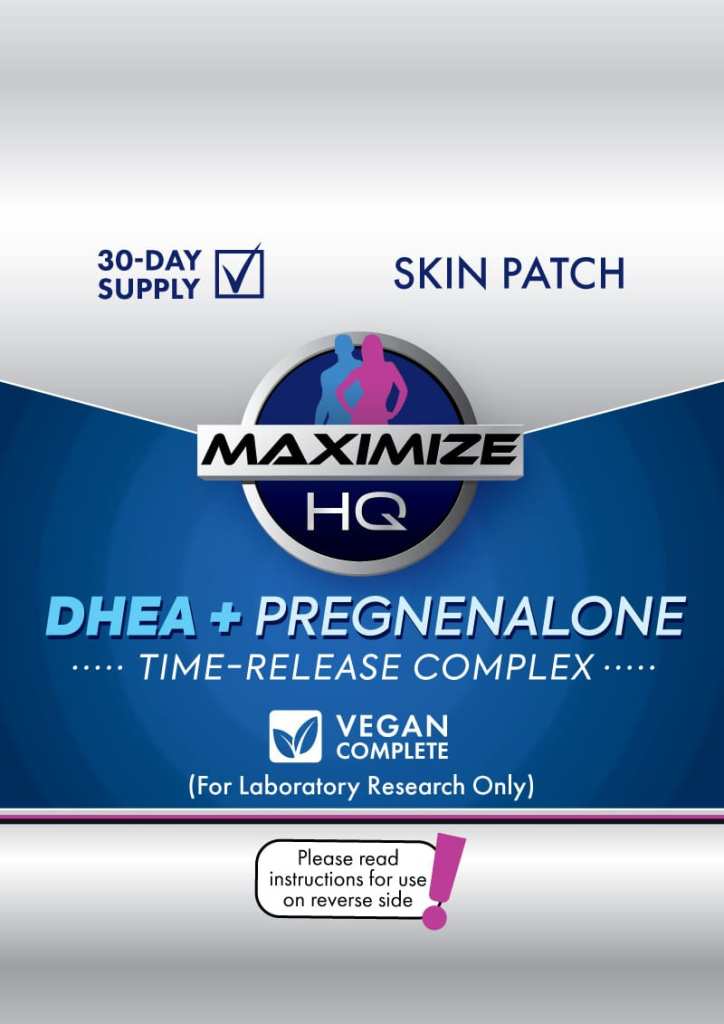
 Subscribe and Save – $49.99
Save $10 (Cancel anytime – Click To Learn About Our Subscription Option)
Subscribe and Save – $49.99
Save $10 (Cancel anytime – Click To Learn About Our Subscription Option)
30-Day Supply – $59.99 Add to Cart
2. The Case for DHEA
The appeal is easy to understand. If DHEA falls with age, and aging brings fatigue, lower sex drive, thinning bones, and loss of muscle, then restoring DHEA might reverse some of those changes. Research offers some support, but only in specific situations.
The strongest evidence involves people with adrenal insufficiency, a condition in which the adrenal glands do not produce enough hormones. In some of these patients, particularly women, DHEA supplementation has modestly improved well-being and sexual function. Vaginal DHEA (prasterone) is also approved in the United States to treat painful intercourse caused by menopause-related vaginal atrophy, and it works well for that purpose.

Other studies have looked at bone density in older adults, with some showing small improvements, especially in women. DHEA has also been studied in women undergoing fertility treatment who have a diminished ovarian reserve, though results are mixed and more rigorous trials are needed.
3. The Case Against Routine Use
For healthy adults hoping to turn back the clock, the evidence is far less impressive. Large, well-designed trials have generally found that DHEA does not meaningfully improve muscle strength, physical performance, body composition, memory, or overall quality of life in older people.
Safety is another concern. Because DHEA converts into sex hormones, it can cause side effects linked to excess androgens or estrogens. Women may experience acne, oily skin, facial hair growth, hair loss, or a deepening voice. Men may notice breast enlargement or changes in mood. DHEA can also lower HDL (“good”) cholesterol and may interact with medications such as antidepressants, blood thinners, and hormone therapies.
There are also theoretical risks for people with hormone-sensitive conditions, such as breast, prostate, or ovarian cancer, because DHEA could fuel the growth of these tumors. Long-term safety data are limited, so no one can say with confidence what years of supplementation might do.
Supplement quality is also a concern, since DHEA is sold over the counter with little regulation. Testing has found that some products contain far more or far less DHEA than their labels claim. Notably, DHEA is banned by the World Anti-Doping Agency and many sports organizations, so athletes should avoid it entirely.
4. The Bottom Line

So, is DHEA an important supplement? For most healthy people, the answer is no. The decline in DHEA is a normal part of aging, and there is little convincing evidence that replacing it delivers meaningful benefits for energy, strength, or longevity. The potential side effects and unknown long-term risks outweigh the modest, uncertain upside.
For certain individuals, however, DHEA can be a useful tool. People with adrenal insufficiency, postmenopausal women with vaginal symptoms, and some fertility patients may benefit, ideally under medical supervision with blood tests to monitor hormone levels.
If you are curious about DHEA, talk with your doctor before starting it. A simple blood test can show whether your levels are genuinely low. In the meantime, the proven fundamentals of healthy aging, including regular exercise, good sleep, a balanced diet, and stress management, remain far more powerful than any pill.